


Related insights
- Research Library04 Mar 2026
- Caution as DXY approaches 100 04 Mar 2026
- GDP Nowcast: India’s GDP growth likely to moderate in 1Q 04 Mar 2026
Singapore’s financial markets saw risk-off but contained movements this week, with the benchmark equity index down by 1.6%, and the SGD weakening by 1.0% against the USD, amidst the fluid geopolitical situation in the Middle East. The economy is confronting this uncertainty from a relatively strong position, amid solid growth momentum buoyed by global AI-related tailwinds and still-low inflation at the start of 2026. As a price taker that is highly dependent on energy imports, Singapore’s consumers and export-oriented firms will have to brace for higher electricity, transport-fuel, and shipping costs arising from the increase in global energy prices and supply chain disruptions, particularly if the Middle East conflict becomes protracted. We estimate around 7+% of the overall CPI basket would likely be directly impacted by higher energy prices. For now, imported price pressures should be dampened and contained by continued appreciation of the SGD nominal effective exchange rate, unless Brent crude oil prices spike further, which might complicate the MAS’s policy bias towards earlier tightening. Manufacturers are already facing capacity and supply chain constraints, as reflected in the sharper contraction in the supplier deliveries sub-index of the February manufacturing purchasing managers’ index at 49.6 – the lowest in about two years since early 2024. The escalation in geopolitical tensions only heightens the risks of further disruptions that could dampen factory and trade growth.
Despite recent tensions, the direct impact on Indonesia’s trade and economic growth appears marginal at this juncture. Indonesia’s trade exposure to Iran has been negligible over the past six years, and while total trade with the broader Gulf region reached $17.8bn (3.4% of total) in 2025, the existing economic buffers are significant. Indonesia is a net oil importer, but also a net commodity exporter, which suggests that any negative impact on the trade balance can be averted if the broader metals/minerals universe also remains firm. Indonesia is currently strengthening these ties through existing agreements, as well as ongoing Comprehensive Economic Partnership Agreement negotiations with the other countries in that region (Kuwait, Bahrain, Oman, and Qatar). This deal was due for completion this year to boost exports in palm oil, motor vehicles, and the halal economy. We maintain our current economic forecasts, as the structural shift in energy subsidies (0.8% of GDP last year) provide a much-needed cushion against external volatility. BI is expected to contain the scale of IDR depreciation, especially if USDIDR attempts to retest 17000.
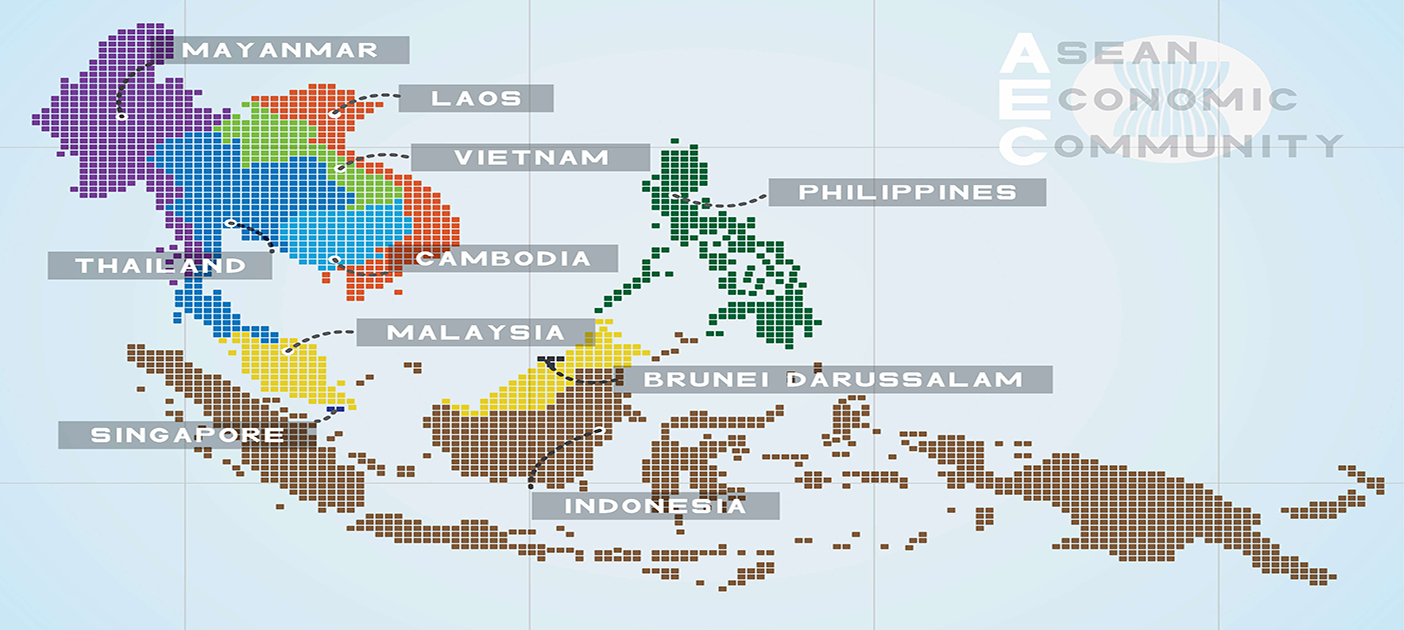
Amongst the ASEAN-6 countries, the net oil trade balance is most adverse in Thailand, Malaysia, and Vietnam (as % of GDP), with the pass-through to price pressures most material in Thailand and Philippines. Additionally, while less strategic, Thailand and Singapore are top LNG buyers in the region, but with a well-distributed supplier mix, especially in Singapore. Much of the region will likely monitor developments in the Middle East with trepidation. THB, MYR, and SGD are down more than 1% this week, and regional currencies might underperform if US dollar stays bid. Regional central banks are unlikely to act pre-emptively on policy, preferring to remain on hold while maintaining a keen watch on the domestic currency and bond yield movements. 

Topic
GENERAL DISCLOSURE/ DISCLAIMER (For Macroeconomics, Currencies, Interest Rates & Digital Assets)
The information herein is published by DBS Bank Ltd and/or DBS Bank (Hong Kong) Limited (each and/or collectively, the “Company”). It is based on information obtained from sources believed to be reliable, but the Company does not make any representation or warranty, express or implied, as to its accuracy, completeness, timeliness or correctness for any particular purpose. Opinions expressed are subject to change without notice. This research is prepared for general circulation. Any recommendation contained herein does not have regard to the specific investment objectives, financial situation and the particular needs of any specific addressee. The information herein is published for the information of addressees only and is not to be taken in substitution for the exercise of judgement by addressees, who should obtain separate legal or financial advice. The Company, or any of its related companies or any individuals connected with the group accepts no liability for any direct, special, indirect, consequential, incidental damages or any other loss or damages of any kind arising from any use of the information herein (including any error, omission or misstatement herein, negligent or otherwise) or further communication thereof, even if the Company or any other person has been advised of the possibility thereof. The information herein is not to be construed as an offer or a solicitation of an offer to buy or sell any securities, futures, options or other financial instruments or to provide any investment advice or services. The Company and its associates, their directors, officers and/or employees may have positions or other interests in, and may effect transactions in securities mentioned herein and may also perform or seek to perform broking, investment banking and other banking or financial services for these companies. The information herein is not directed to, or intended for distribution to or use by, any person or entity that is a citizen or resident of or located in any locality, state, country, or other jurisdiction (including but not limited to citizens or residents of the United States of America) where such distribution, publication, availability or use would be contrary to law or regulation. The information is not an offer to sell or the solicitation of an offer to buy any security in any jurisdiction (including but not limited to the United States of America) where such an offer or solicitation would be contrary to law or regulation.
[#for Distribution in Singapore] This report is distributed in Singapore by DBS Bank Ltd (Company Regn. No. 196800306E) which is Exempt Financial Advisers as defined in the Financial Advisers Act and regulated by the Monetary Authority of Singapore. DBS Bank Ltd may distribute reports produced by its respective foreign entities, affiliates or other foreign research houses pursuant to an arrangement under Regulation 32C of the Financial Advisers Regulations. Where the report is distributed in Singapore to a person who is not an Accredited Investor, Expert Investor or an Institutional Investor, DBS Bank Ltd accepts legal responsibility for the contents of the report to such persons only to the extent required by law. Singapore recipients should contact DBS Bank Ltd at 65-6878-8888 for matters arising from, or in connection with the report.
DBS Bank Ltd., 12 Marina Boulevard, Marina Bay Financial Centre Tower 3, Singapore 018982. Tel: 65-6878-8888. Company Registration No. 196800306E.
DBS Bank Ltd., Hong Kong Branch, a company incorporated in Singapore with limited liability. 18th Floor, The Center, 99 Queen’s Road Central, Central, Hong Kong SAR.
DBS Bank (Hong Kong) Limited, a company incorporated in Hong Kong with limited liability. 11th Floor, The Center, 99 Queen’s Road Central, Central, Hong Kong SAR.
Virtual currencies are highly speculative digital "virtual commodities", and are not currencies. It is not a financial product approved by the Taiwan Financial Supervisory Commission, and the safeguards of the existing investor protection regime does not apply. The prices of virtual currencies may fluctuate greatly, and the investment risk is high. Before engaging in such transactions, the investor should carefully assess the risks, and seek its own independent advice.
Related insights
- Research Library04 Mar 2026
- Caution as DXY approaches 100 04 Mar 2026
- GDP Nowcast: India’s GDP growth likely to moderate in 1Q 04 Mar 2026
Related insights
- Research Library04 Mar 2026
- Caution as DXY approaches 100 04 Mar 2026
- GDP Nowcast: India’s GDP growth likely to moderate in 1Q 04 Mar 2026